The WEALTH Team Conducts Orientation for Policymakers from the Oyo State Ministry of Women Affairs and Social Inclusion Joining the WEALTH Course
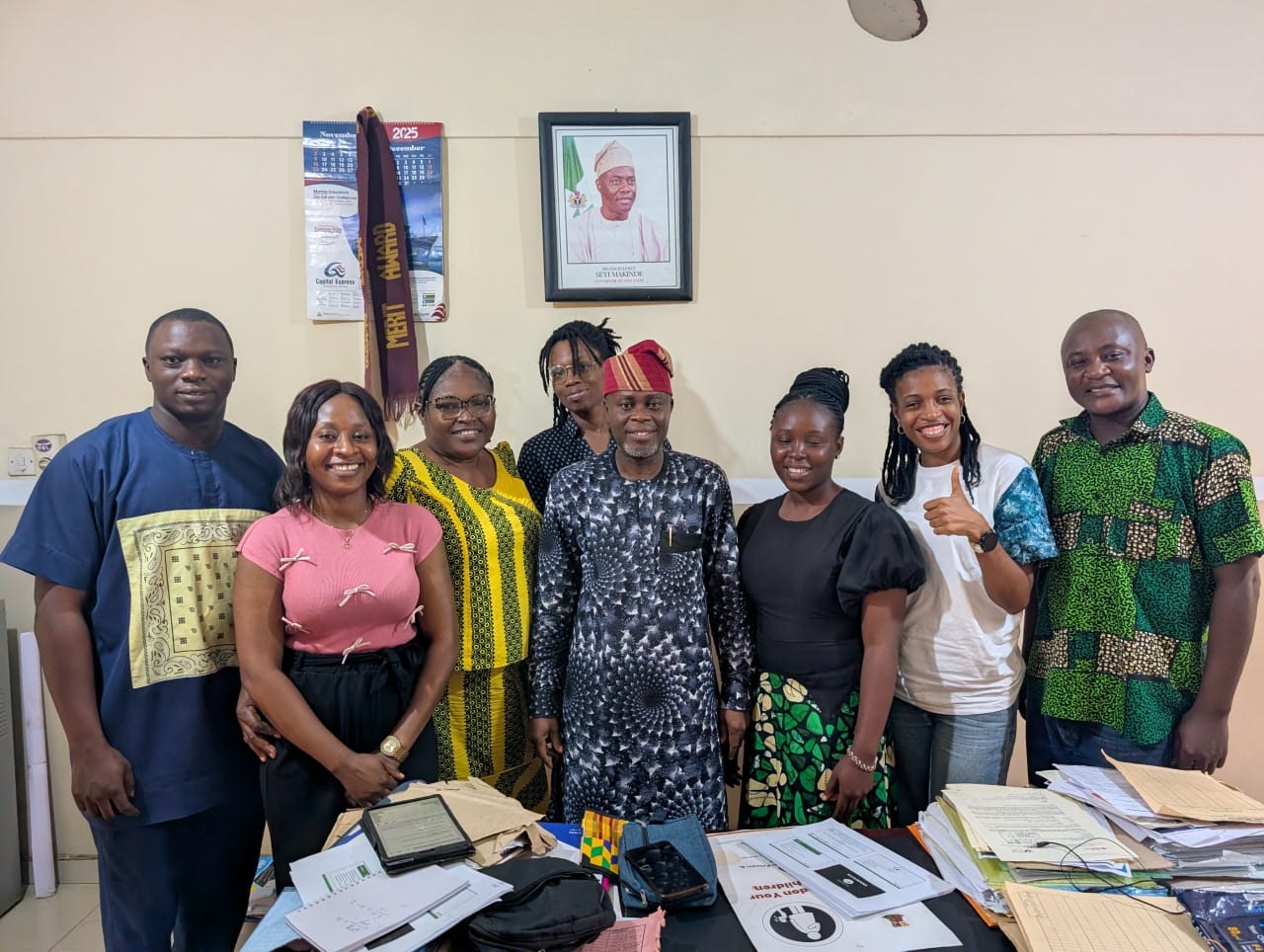
As part of efforts to advance the implementation of the Utilizing Mathematical Modelling to Tackle Depression and Related Mental Health Conditions among Adolescent Girls and Young Women in Sub-Saharan Africa project, branded as Women dErive mAthematical modeLs for menTal Health (WEALTH), the WEALTH Team paid a courtesy and training visit to the office of Mr. Olutoye Diya Ogunjimi, Director, Women's Programmes, Ministry of Women Affairs and Social Inclusion, Oyo State on Friday, 7 November 2025.
The purpose of the visit was to conduct the WEALTH Course training orientation at the Ministry for its nominated representatives who will participate in the WEALTH Project. The introductory WEALTH Course is an online programme that trains researchers and policymakers in the use of mathematical modelling to address depression and related conditions across Sub-Saharan Africa. The Ministry nominated Mr. Olutoye Diya Ogunjimi and Mrs. Olafunmilayo Adebukola Akinpelu, Assistant Director and Head of Unit, Gender (2015- present), to take part in the training to strengthen policymakers' engagement within the project and enhance cross-sector collaboration for mental health research and intervention.
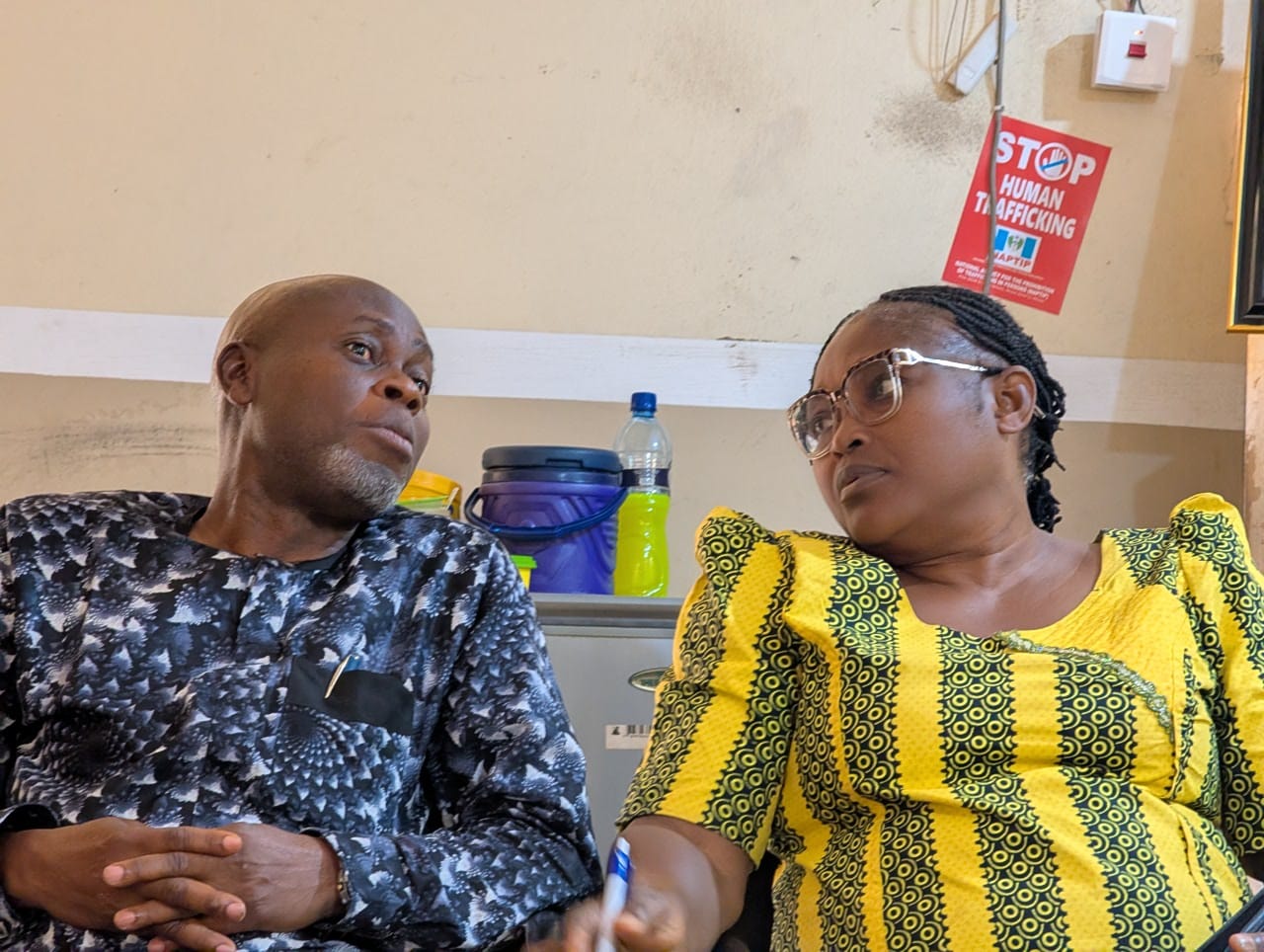
During the session, Dr. Rita Tamambang, WEALTH Postdoctoral Fellow, provided a comprehensive overview of the project, detailing its background, objectives, and milestones achieved so far. She explained that the WEALTH Project is a capacity-building initiative aimed at women researchers and policymakers in Sub-Saharan Africa. The project focuses on equipping participants to develop, refine, interpret, and evaluate mathematical models that inform clinically effective and cost-effective interventions addressing depression and related mental health conditions among adolescent girls and young women.
In her presentation, Dr. Tamambang discussed the background of the project, noting that mental health conditions account for about ten percent of the global disease burden among adolescents, with adolescent girls and young women being three times more likely than their male counterparts to experience depression and other related mental illnesses. She highlighted that WEALTH seeks to build a critical mass of women researchers and policymakers who can apply mathematical modelling to shape mental health interventions and strengthen policy responses.
She went on to present the project workplan, outlining the various components including curriculum development, stakeholder engagement, student recruitment, research uptake and communications, and data management. Dr. Tamambang described how the project was co-produced through stakeholder inception meetings and curriculum development workshops that brought together mathematical modellers, statisticians, policymakers, mental health and gender experts, and social scientists to jointly define the training content and delivery structure.
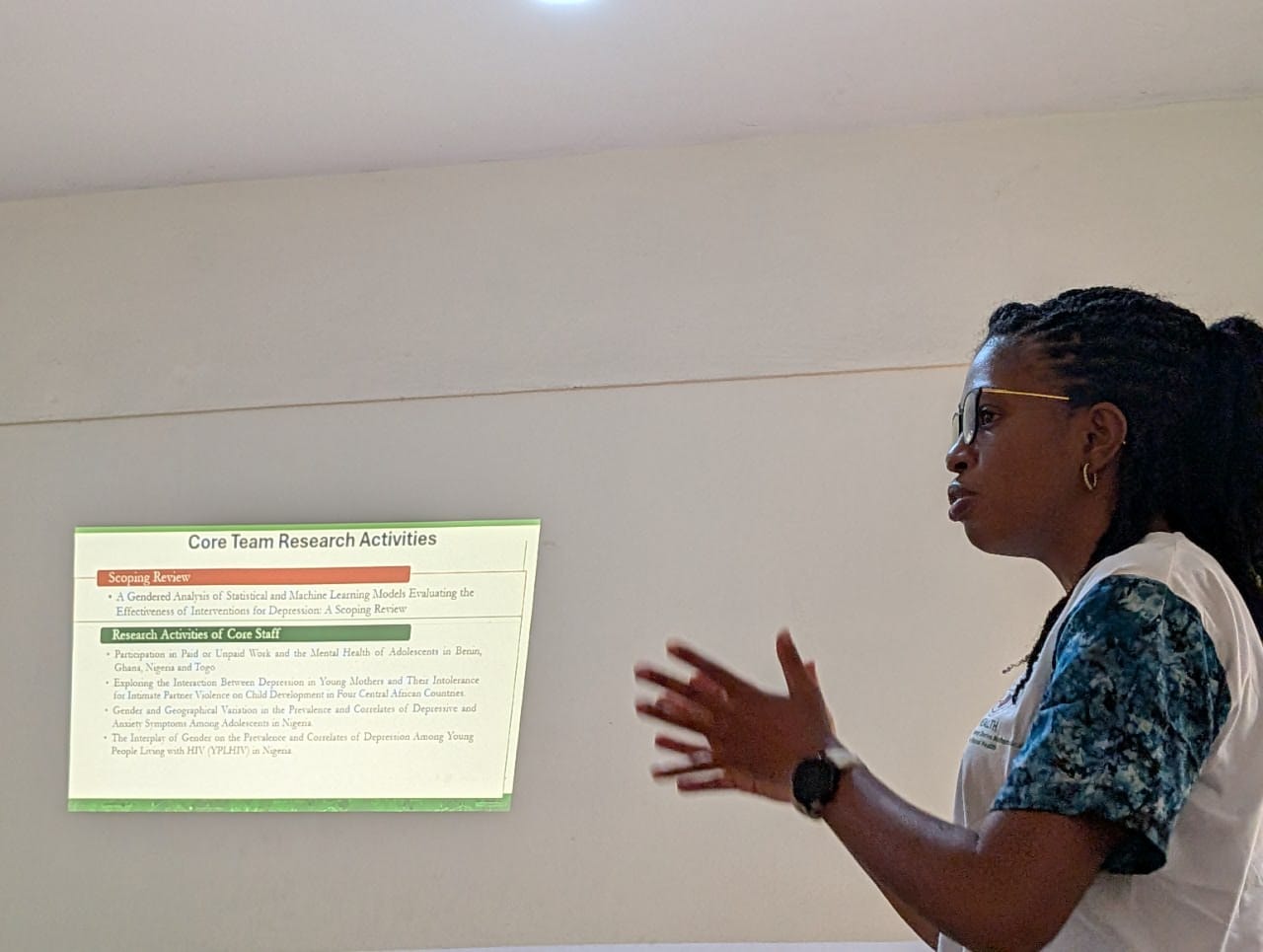
In discussing the research plan and methodology, she emphasised the project's focus on developing nine training modules, including Basic Mathematics and Mathematical Modelling, Application of Mathematical Modelling in Practice and Policy, Basic Statistics and Statistical Modelling, Spatial Modelling, Brain and Mental Health, Epidemiological Principles, Gender Studies, Health Economics, and Academic Writing and Stakeholder Engagement. These modules are designed to promote interdisciplinary learning and strengthen women professionals' ability to use data-driven approaches in policy formulation.
Dr. Tamambang also reviewed the progress and milestones achieved to date, including the successful stakeholder inception meeting held in December 2023, the completion of two curriculum development workshops, and the recruitment of trainee researchers and policymakers across participating countries. She underscored the project's emphasis on co-production, demonstrating how sustained stakeholder participation has guided the project through its development stages. She concluded her session by introducing the course directors, highlighting their expertise and leadership roles in psychiatry and modelling.
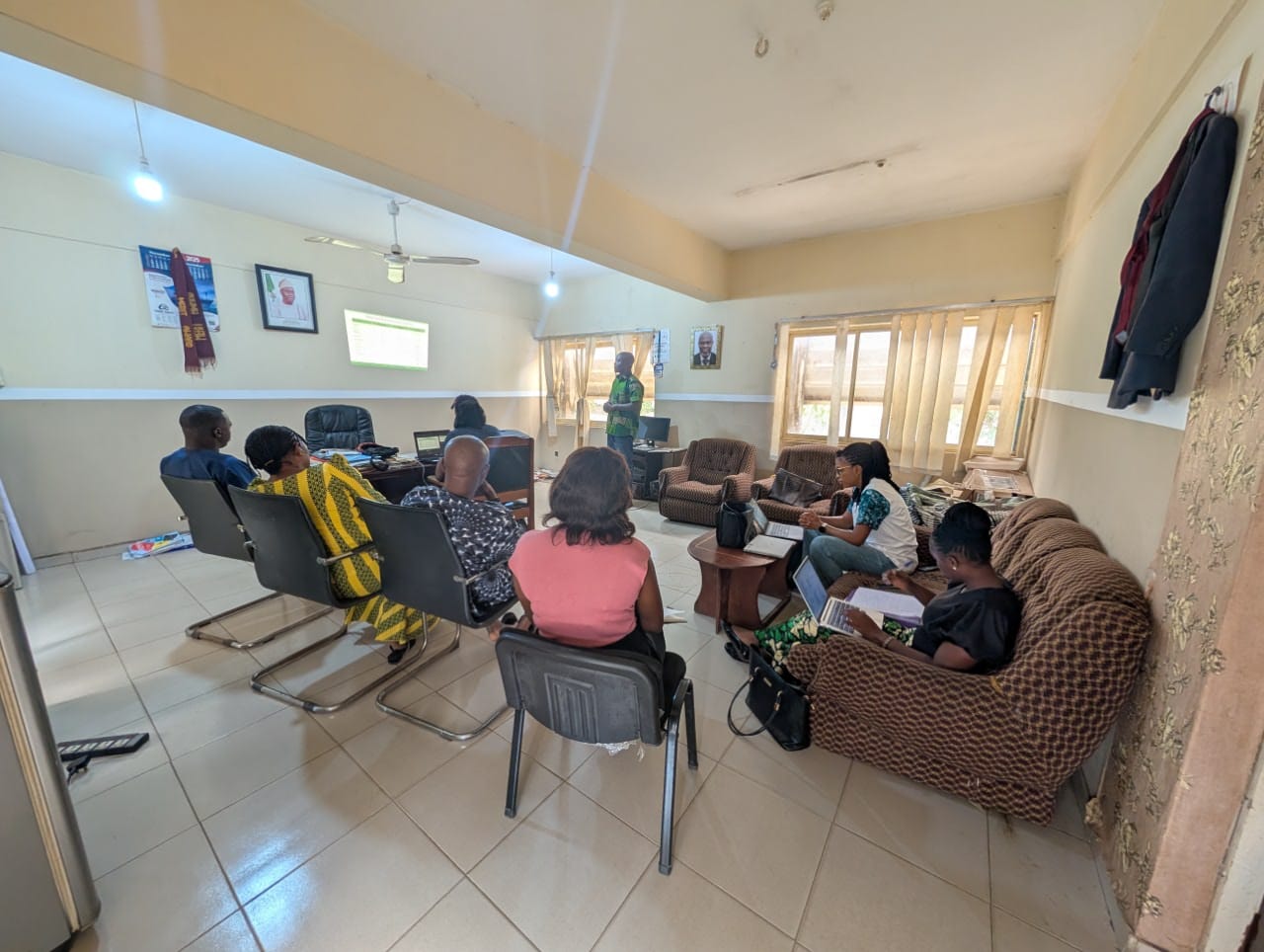
Following her presentation, Simeon Olaoye, Project Manager I, provided a detailed overview of the research activities carried out to date on the project and the structure of the WEALTH Course. He elaborated on the recruitment of trainee researchers and policymakers from across 19 African countries, including participants from diverse professional backgrounds.
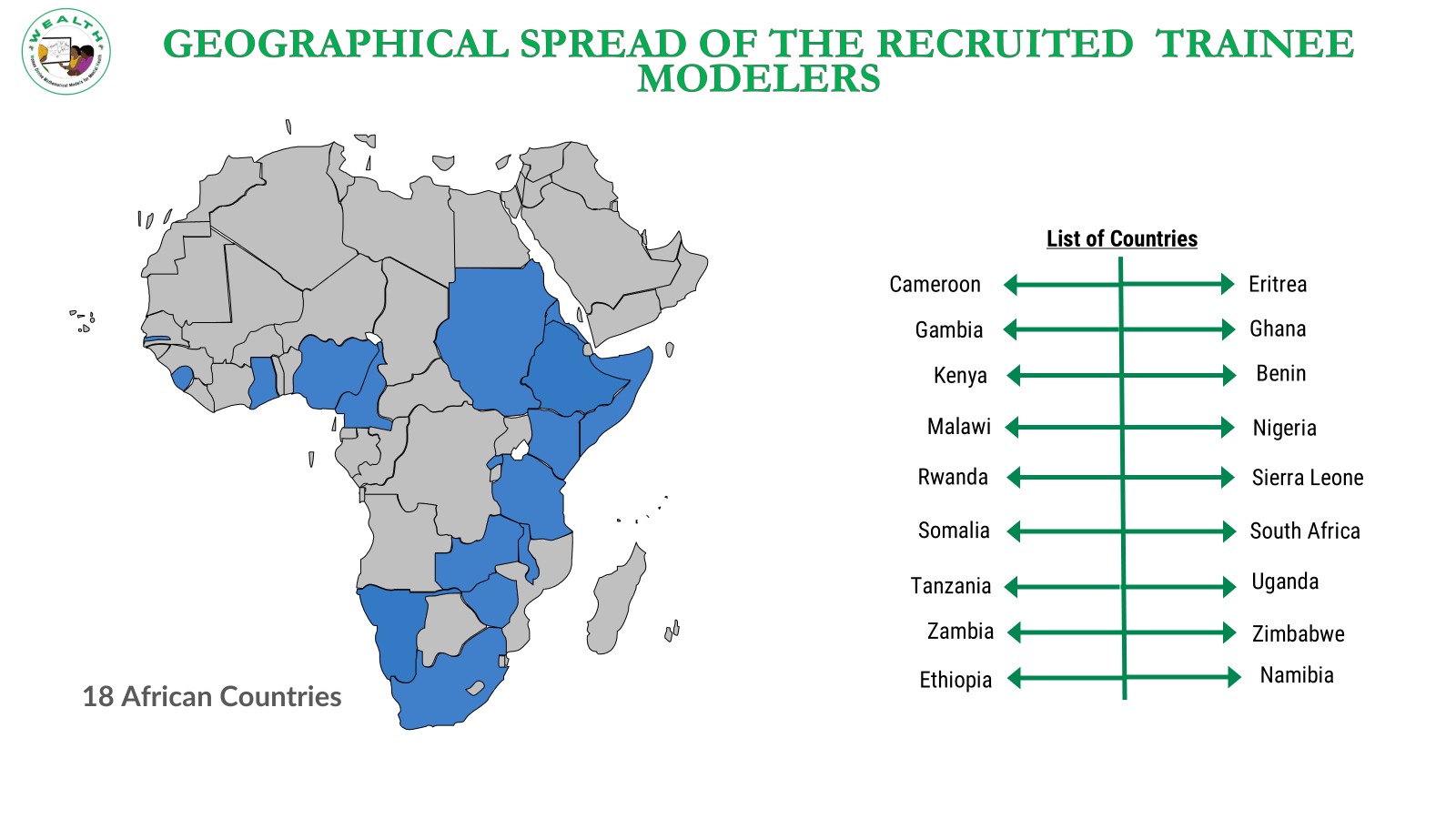
Mr. Olaoye presented the course structure, explaining that the training is divided into three phases: a four-week introductory phase, a five-month intensive training phase, and a twelve-month research-intensive phase. He further described how the course modules are structured to build progressively from foundational concepts in mathematics and statistics to applied modelling and research communication. The aim, he noted, is to enable participants to connect mathematical concepts to real-world public health challenges, develop models that capture the essential features of complex systems, and ultimately translate research insights into actionable policy recommendations.
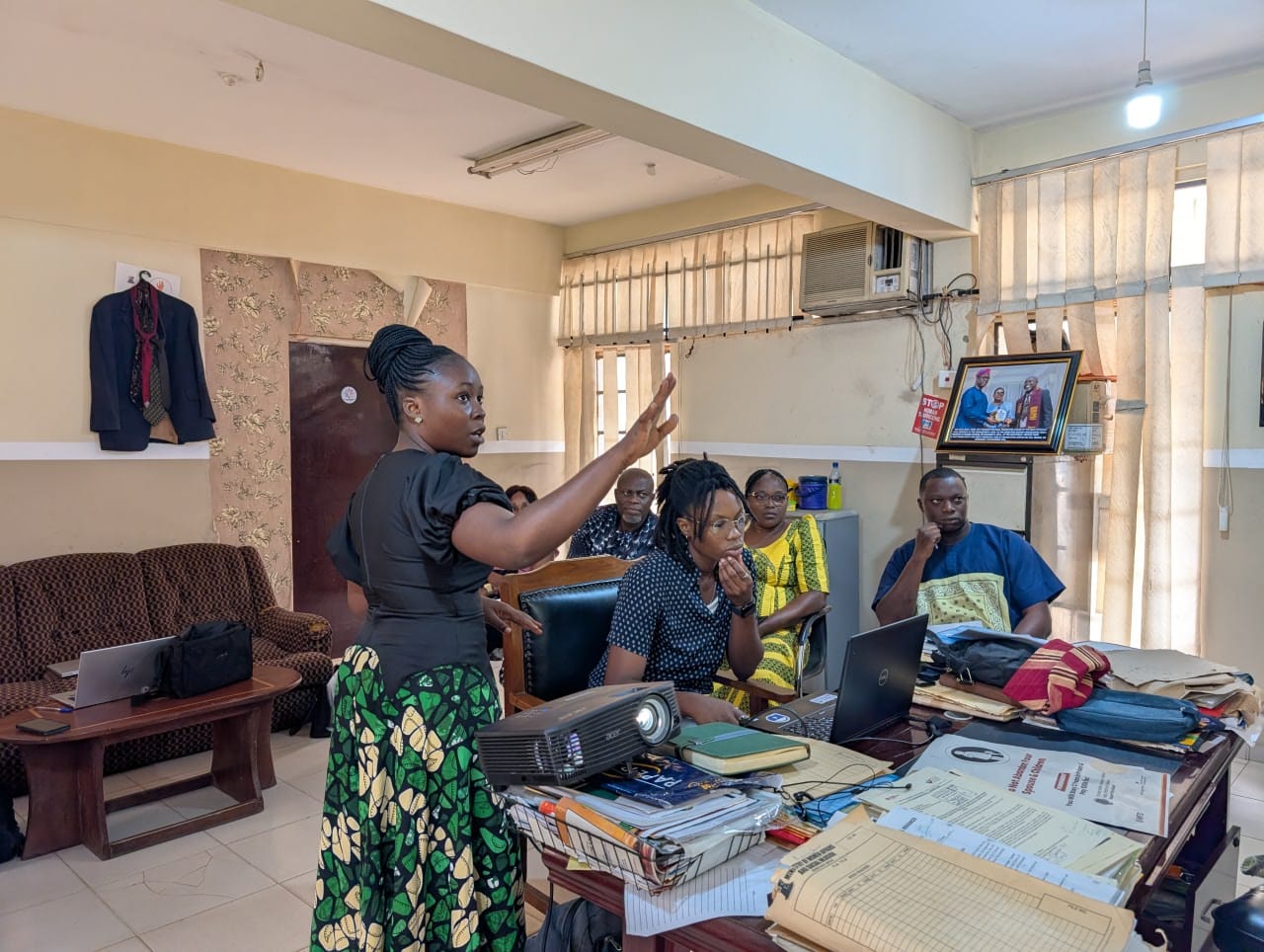
Thereafter, Oluwatosin Ogundipe guided the participants through a practical session on navigating the Moodle learning platform, demonstrating how the online course materials and assessments are structured and how participants can engage with the content and facilitators throughout the training period. The team also discussed expected deliverables from the training phase, highlighting how participants' involvement would contribute to broader project outcomes, particularly by shaping mental health policies and gender-responsive interventions through evidence generated by mathematical modelling.
In his remarks, Mr. Ogunjimi thanked the team for their presentation and expressed the willingness of the Ministry to participate actively in the WEALTH Project. He emphasised his interest in spatial modelling, noting his background in geography. He spoke about the usefulness of data analytics and mapping tools in the Ministry's work and explained that much of their engagement happens in the field. He also highlighted the support the participants will need to ensure their success in the WEALTH course, providing the team with the opportunity to finalise their needs assessment and ensure policymakers have a stress-free participation during the course.
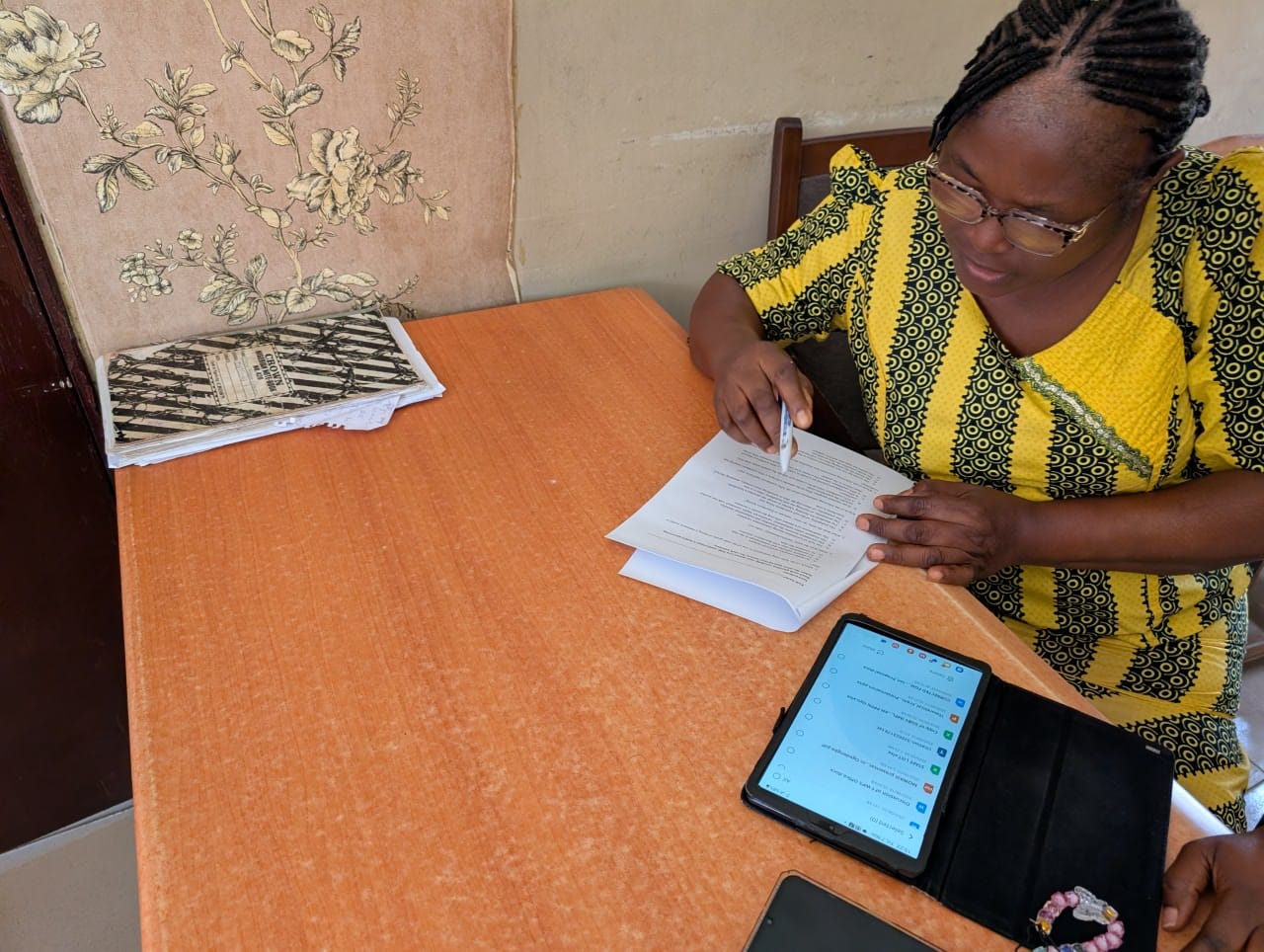
At the close of the orientation, the nominated policymakers, Mr. Olutoye Diya Ogunjimi and Mrs. Olafunmilayo Adebukola Akinpelu, completed a pre-training knowledge assessment designed to provide a baseline understanding of participants' current knowledge levels. This will enable the project team to track learning progress and measure capacity-building outcomes upon completion of the course.
Mr. Ogunjimi and Mrs. Akinpelu were joined by colleagues from the Ministry, Mr. Kehinde Philip Oladokun and Ms. Oluwatoyin Oni, who also participated in the session. The WEALTH Team was led by Dr. Rita Tamambang, Postdoctoral Fellow, and included Simeon Olaoye (Project Manager I), Oluwatosin Ogundipe (Project Manager II), Okeogheneteno Ikime (Learning Manager and Research Associate), and Oluwaseun Abimbola (Communications and Research Uptake Manager).
The visit provided an opportunity to introduce the project objectives, promote partnership with the Ministry of Women Affairs, and prepare its representatives for meaningful participation in the WEALTH Course. The orientation ended on a cheery note, with both teams reaffirming their commitment to promoting women's mental health through innovative, evidence-based approaches grounded in mathematical modelling.